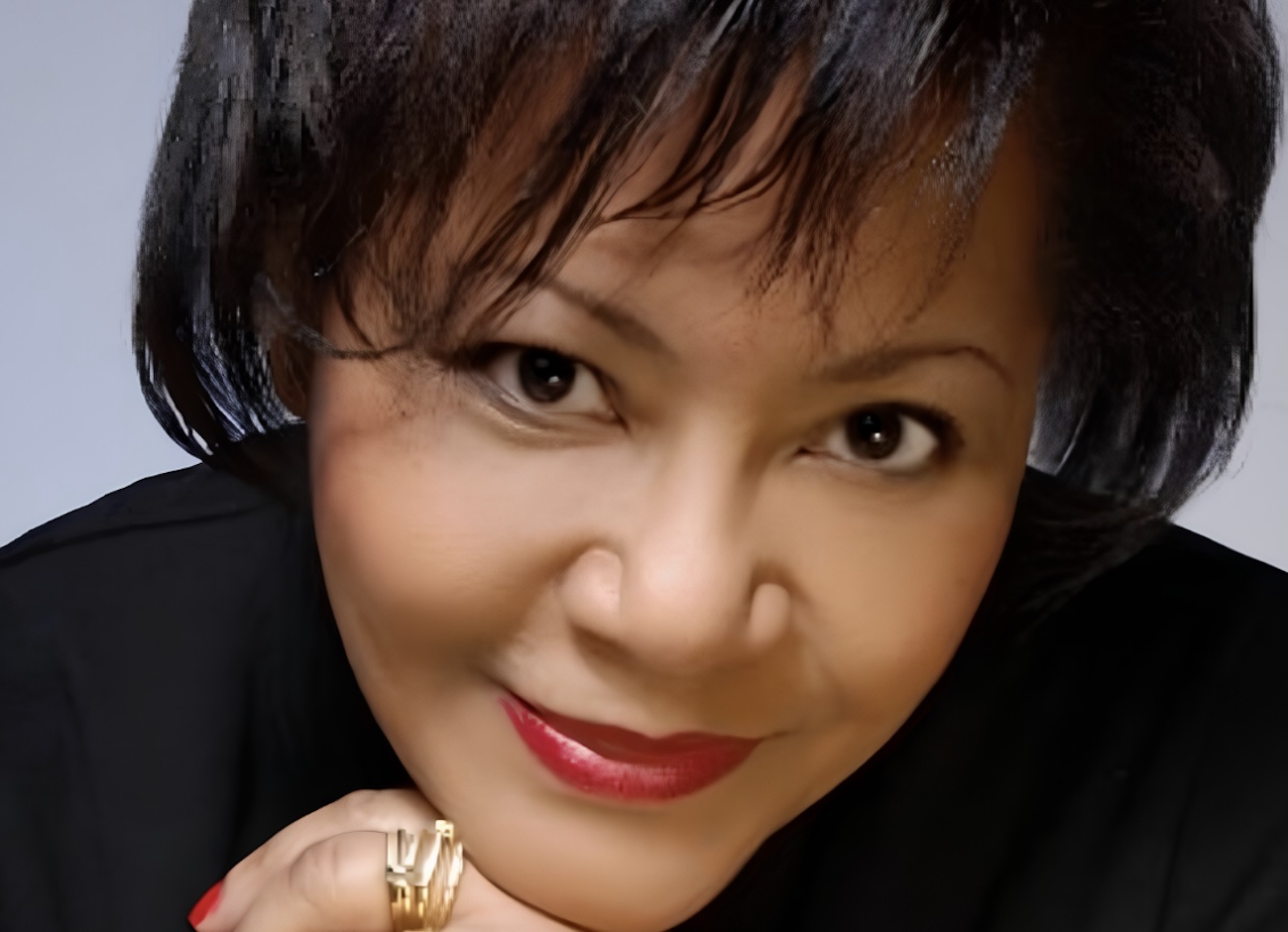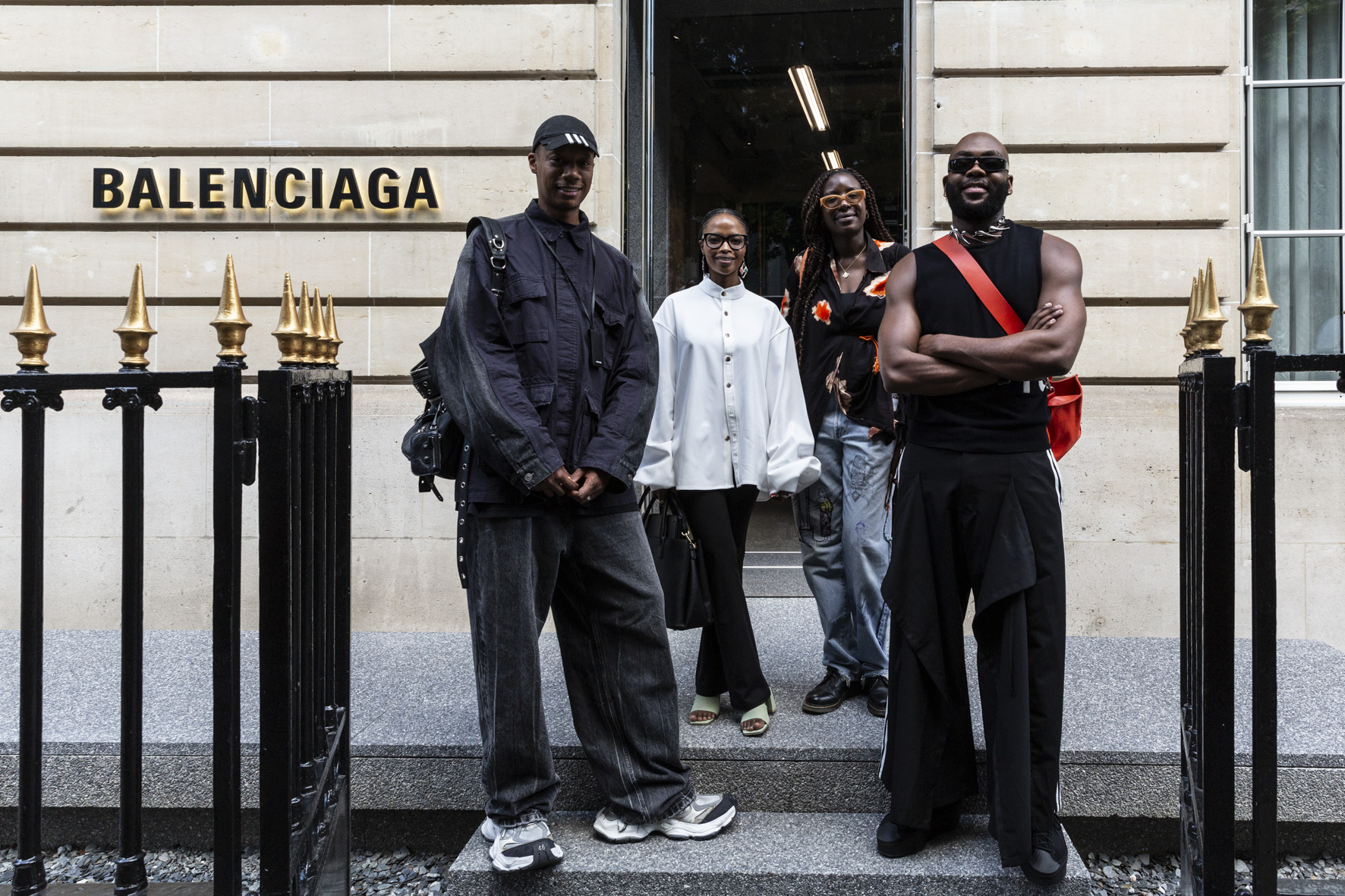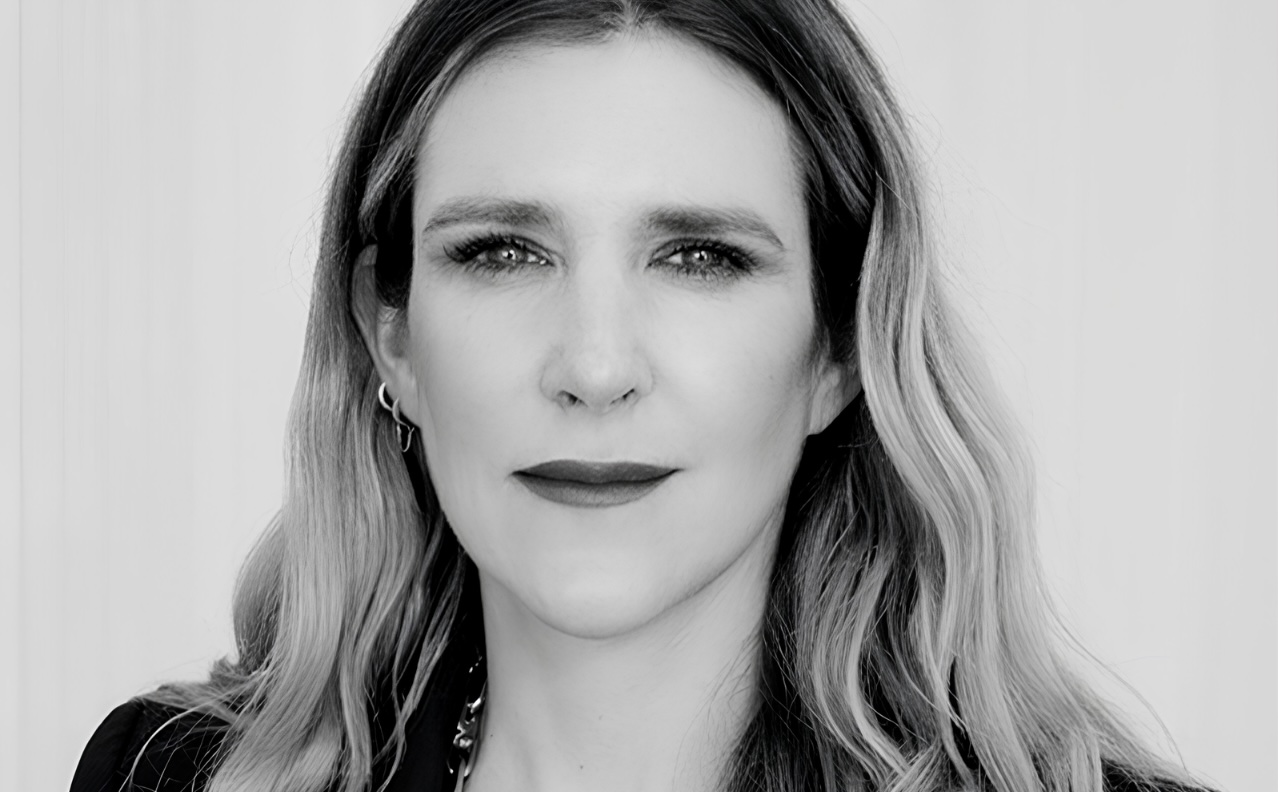
Africa is attracting the luxury industry. In Paris on April 27, 2026, the presenceof Anne Desrumaux, Director of Collections & Ready-to-Wear Operations at Balenciaga, on theAfrica Fashion Up jury provided further proof of this. The brand’s involvement goes beyond institutional support; it speaks volumes about the growing interest of major luxury houses in the emerging African fashion scene.
The event organized by Share Africa is one of the key programs supporting the continent’s emerging talent. With each edition, its mission has become more focused. Identifying young African designers is no longer the core of its mission. The focus has shifted: the goal is now to help them build strong brands that are ready to meet the demands of the international luxury market.
Anne Desrumaux lists the essential areas of expertise in the luxury fashion industry
Twenty years in high-end fashion. A rich and varied career. Before Balenciaga, this fashion professional held key positions at Bottega Veneta, Loewe, Victoria Beckham, Celine, Saint Laurent, Gucci, and Giorgio Armani. Her scope of work extends far beyond pure design. Product development, operations, brand-building, and international strategy: she has a firm grasp of the inner workings that drive a fashion house’s lasting success.
Desrumaux’s presence on theAfrica Fashion Up jury provides precisely the strategic perspective that young African designers lack. It is clear that in contemporary fashion, talent alone is no longer enough. “Creating a brand also means creating a business,” she noted in one of her key messages at the jury meeting for the 2026 edition.
In the eyes ofAnne Desrumaux, too many designers early in their careers underestimate the entrepreneurial aspect. An African fashion house, like any brand, cannot survive on inspiration alone. It must operate as a structured, viable business built to last.
His statement sums up his philosophy: “Creating a brand also means creating a business.”
The classic mistake? Trying to do everything on your own. Very quickly, you need to surround yourself with the right people: management, sales, communications, distribution, and collection management. No designer can handle everything at once. The executive at Balenciaga also emphasizes three inseparable pillars: the product, the customer, and communications.
“The product is a cohesive collection and fair pricing. The customer is the distribution strategy and retail—where the brand is showcased and sold. Communication, on the other hand, brings the story to life: identity, signature, and desirability.” So having talent and a strong vision is no longer enough. You have to know how to transform that identity into a brand.
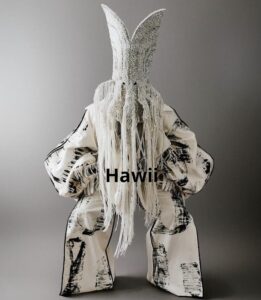
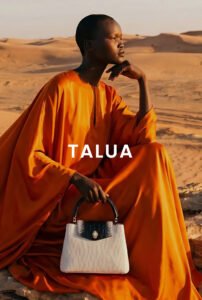
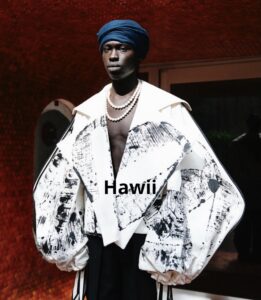
Why Africa Is Becoming a Strategic Market for Luxury Brands
Balenciaga’s commitment to Africa Fashion Up has spanned several editions. It is more than just a symbolic gesture. Major fashion houses have recognized this: the continent is a hotbed of creativity, inspiration, and growth. A new wave of African fashion designers and stylists is no longer content to simply follow Western conventions. They are imposing their own interpretation, their own aesthetic, and their own way of telling the story of African fashion. This unique African fashion style is captivating luxury groups.
Through its mentorship program for Africa Fashion Up winners, Balenciaga imparts knowledge that is rarely shared at the beginning of a career: the principles of product development, business acumen, operational discipline, and market analysis.
Concrete bridges are being built between talented individuals and major fashion houses. Each winner leaves with a level of expertise that, elsewhere, takes years to acquire.
Africa Fashion Up is evolving in its mission
The program led by Valérie Ka now aims to do more than simply showcase African fashion designers on the international stage. The goal of the Share Africa event is to foster the emergence of sustainable brands and, with them, a structured industry across the continent.
This jury session highlighted the challenges facing every African fashion designer or emerging creator today. They must establish a strong identity, build a brand that stands the test of time, and help foster the growth of fashion industries in every African country.
The nextAfrica Fashion Up 2026 event is scheduled for June 26 in Paris at the Musée du quai Branly – Jacques Chirac. The fashion show will bring together the selected designers, industry professionals, and fashion houses committed to this rapidly rising scene.
In fashion, identity makes all the difference. Africa, with its very strong identities, can shape its haute couture—long confined to the margins—to propel itself into the center of the global fashion scene.
By Linka TETA.